


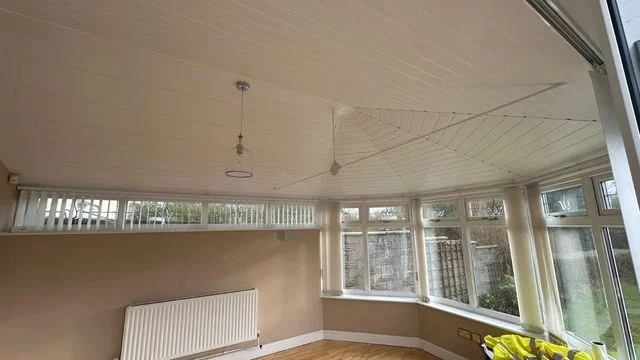
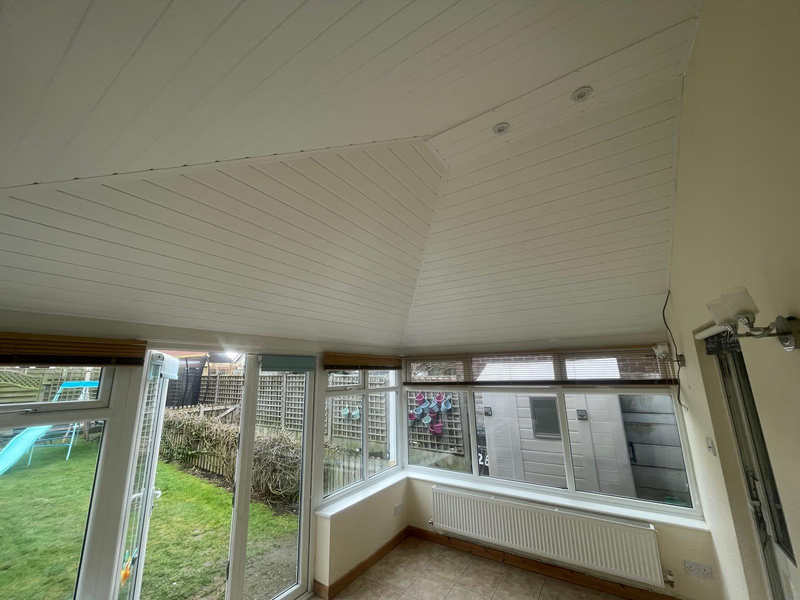
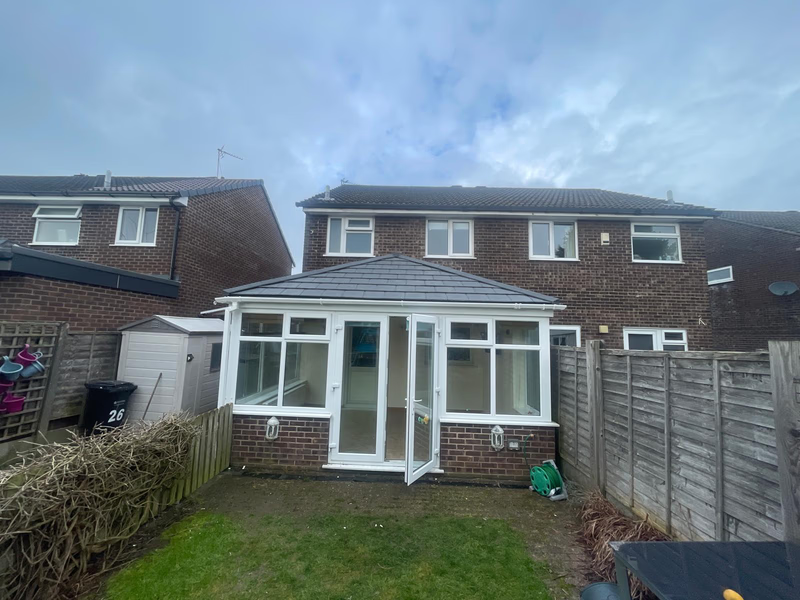
Do Conservatory Roofs Need to Meet Modern Building Regulations?
Conservatories are generally classified as 'non-habitable' spaces, meaning their construction and features are subject to different rules than a typical extension. However, if you plan to upgrade your conservatory roof—especially when switching to a solid tiled roof—modern building regulations may come into play. These regulations aim to ensure your conservatory is safe, energy-efficient, and structurally sound.
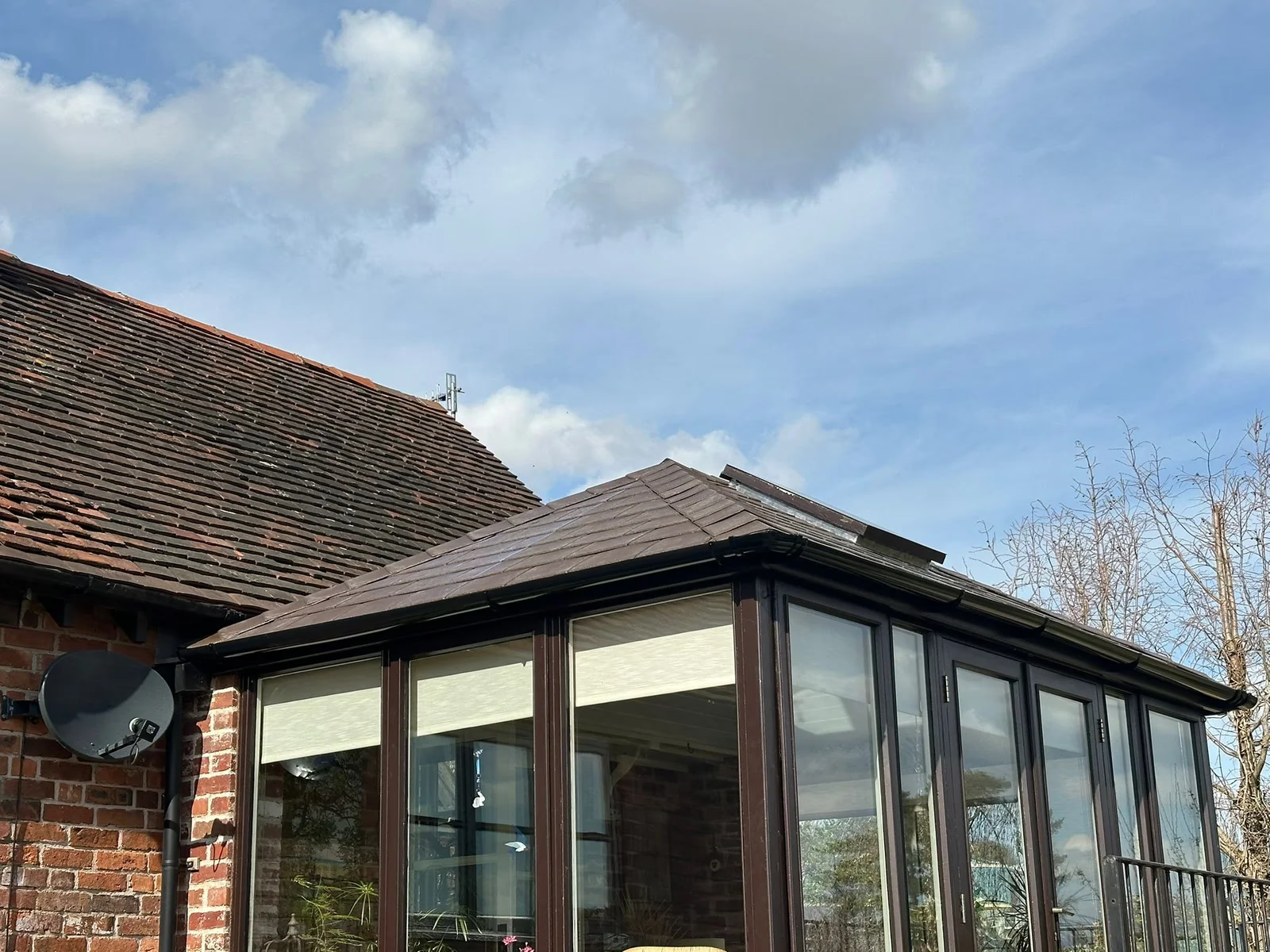
While you may not always need building regulation approval for minor repairs or like-for-like roof replacements, significant upgrades such as switching to a solid tiled roof often require compliance. This is because adding a solid roof can change the conservatory's classification to a 'habitable' space, making it subject to stricter standards. At Conservatory Roof Services, we can guide you through these requirements and ensure your new roof meets all necessary criteria.
How Building Regulations Impact Conservatory Roof Upgrades
Building regulations primarily focus on structural integrity, thermal efficiency, and ventilation. For example, when replacing an older glass or polycarbonate roof with a tiled alternative, the weight difference requires careful consideration. A professional installer will assess whether your existing conservatory frame and foundations can support the new roof. If additional support is needed, this must be addressed to comply with regulations and ensure long-term safety.
Another key aspect is thermal efficiency. Modern building regulations aim to reduce heat loss and improve energy performance. A tiled conservatory roof, paired with proper insulation, can dramatically improve energy efficiency, reducing heating costs in colder months. Compliance with U-value standards (a measure of heat transfer) is essential, and our bespoke roof systems are designed to meet or exceed these requirements.
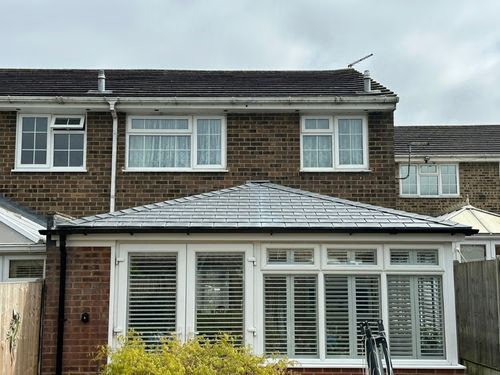
Practical Installer Considerations for Building Regulation Compliance
When surveying a conservatory for a roof upgrade, one of the first checks is the existing frame and foundation. Not every conservatory is suitable without reinforcement. If additional bracing or other work is required, it must be included in the project specification and any applicable approval process.
Ventilation is another critical factor during installation. Modern building regulations require adequate airflow to prevent condensation build-up, which can lead to damp and mould. We often recommend additional ventilation solutions, such as trickle vents, to maintain a healthy environment inside the conservatory. This is particularly important when upgrading to a solid roof, as it can reduce natural airflow compared to traditional glass or polycarbonate roofs.
Benefits of Upgrading to a Regulation-Compliant Conservatory Roof
Upgrading your conservatory roof to meet modern building regulations offers numerous benefits. First and foremost, it can transform your conservatory into a year-round living space that remains comfortable regardless of the season. A tiled roof, combined with proper insulation, prevents extreme temperature fluctuations, making the space cosy in winter and cool in summer.
Additionally, meeting modern standards can add value to your property. Potential buyers are increasingly looking for energy-efficient homes, and a regulation-compliant conservatory can be a significant selling point. Furthermore, the improved thermal performance of your upgraded roof can reduce energy bills, making it an investment that pays off over time.
Do You Need Planning Permission for a Roof Upgrade?
Planning permission differs from building regulations and is not always required for conservatory roof upgrades. If your conservatory was originally built under permitted development rights and you are not changing its height, footprint, or proximity to neighbours, planning permission may not be necessary. However, rules can vary depending on your local council, so it’s worth checking before proceeding.
At Conservatory Roof Services, we can help clarify whether planning permission is needed for your specific project. While most roof upgrades fall within permitted development, there are exceptions, such as listed buildings or conservation areas. Our team will ensure your project complies with all local restrictions and guidelines.

